For centuries, the purpose of a company was defined as generating value to its shareholders, but such a limited, short-term view isn’t enough anymore. Shareholders and Boards should redefine the purpose of the company. Let’s learn from the best examples in France.
Time
April 30th,12.00 to 15.00
Place
OnlineAttendance
Registration mandatory, free of chargeWhile Estonia, Latvia and Lithuania are now all members of the Organization for Economic Co-operation and Development (OECD), it would be a mistake to think of this achievement as a finish line in advancing good corporate governance practices. First and foremost, it provides us with more access to knowledge and tools used by other countries and businesses in moving beyond the basic standards and thresholds to be more competitive and to create sustainable, long-term success with a long-term vision and careful effort. What can the Baltic countries learn from the best practices of other OECD countries?
Conference Schedule
Welcome
Redefining company purpose
Best stakeholder relationship and engagement practices
Companies are not acting in an isolated environment; they are a part of society. Each company is affecting a wide variety of stakeholders and stakeholders are affecting the operations and long-term prospects of the company. That is why all Boards should lead their companies in actively engaging in stakeholder relationships. We will hear about the best practices in the Netherlands.
Advanced sustainable value creation – the Belgian example
The new Belgian Code inspires by emphasizing the importance of independent decision-making in the interest of the company and the importance for all Board members to demonstrate independence of mind.
Break
Environmental, social and governance (ESG) challenges and opportunities
ESG related questions are increasingly becoming a vital factor in long-term success of all companies. Those companies that are putting it on their agendas today are the most forward-looking. Finland has a long track record in incorporating ESG elements into everyday business and the Board’s role there is crucial.
Panel discussion
Moderated by Rytis Ambrazevičius, President, Baltic Institute of Corporate Governance
Finish
Event Speakers
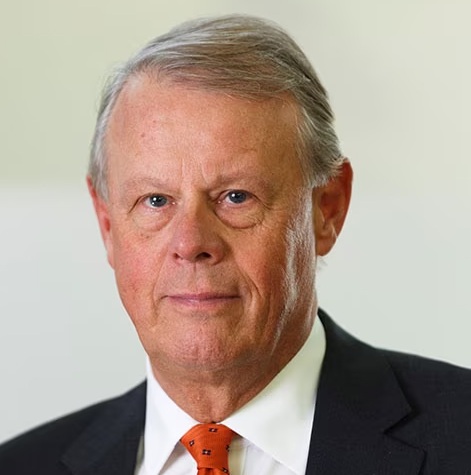
Michel de Fabiani
Jan Wesseldijk
Sandra Gobert
Leena Linnainmaa
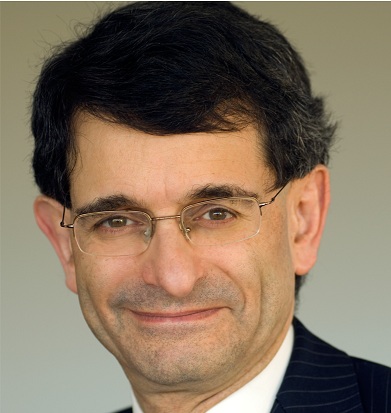
Michel de Fabiani
Michel de Fabiani is currently a non-executive director for Valeo, Valco and Ebtrans. Since 2012, Michel has also held the position of Vice President at the Franco British Chamber of Commerce and Industry (Paris), where he was previously President.
Since 2006, Michel has been President of the Board at the British Hertford Hospital Corporation in Paris and is also the President and founder of the Cercle Economique Sully (a Paris-based think tank).
Michel graduated from the Ecole des Hautes Etudes Commerciales (HEC), the top Business School in Paris in 1967. As well as doing civil service in Morocco he served at BMCE Bank in Casablanca from 1967 to 1969. He then joined the BP Group in 1969 and went on to have an executive career there until 2015, during his time he held various positions in the company’s Nutrition, Chemicals, Finance, and Oil businesses in Milan, Paris and Brussels.
Michel was appointed Chairman and CEO of BP France and served from 1995 – 2005. He became CEO of the BP Mobil Fuels Joint Venture in Europe (1997-2000) and Vice President Europe for the BP Group from 2000 to end 2005 when he retired from the BP Group after 36 years of activity.
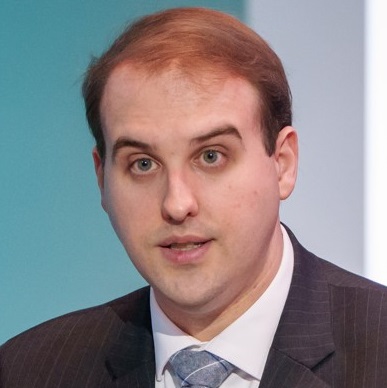
Jan Wesseldijk
Jan Wesseldijk is a Board Member of the Netherlands association of Corporate Directors (NCD) and Chair of the European Confederation of Directors Associations (ecoDa).
Jan has a career in international governance, and has worked and lived in nine different countries: from Japan to Argentina, and from France to Venezuela. Including Hempel, AkzoNobel, Royal Cosun and ISO, he operated in eleven different industries: from food ingredients to home appliances, and from base chemicals to international standards.
Over time Jan has been a non-executive director with thirteen other companies (Aviko, Advanta, Royal Nedalco, Rovin, etc.). He has experience with horizontal organizations: cooperatives (Royal Cosun, Rabobank), business associations (Eurochlor, ISO, CEN, Royal NEN), and franchised chains (Decorette).
Jan studied chemical engineering and business administration (cum laude). His maxim: “People make the difference”.
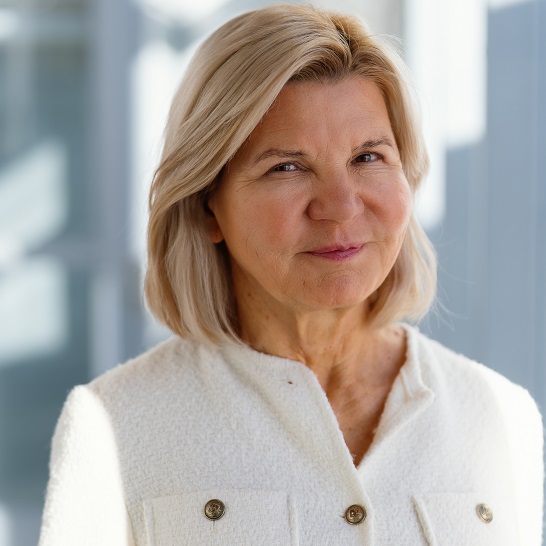
Sandra Gobert
Sandra Gobert is the Executive Director of GUBERNA since 2019 and GUBERNA-certified director since 2010.
Member of the Brussels Bar since 1992, expert in corporate law and governance, she created the Law Link E.E.I.G. - the Global Law Group as well as the law firm Sub Rosa Legal of which she is a partner to this day.
In May 2019 she has been appointed independent director of Fluxys Belgium SA. She also works on the Board of ecoDa and has been appointed as a director of the Foundation Corporate Governance Committee in October 2019.
For her, the organisations of the 21st century are in need of inclusive governance structures, from which committed, competent and courageous people can shape the economy of the future.
Leena Linnainmaa
Leena Linnainmaa is Secretary General of Directors’ Institute Finland (DIF, www.dif.fi). She is an expert in corporate governance, company law and securities market law as well as women’s leadership issues.
Leena is the Vice Chair of the Finnish Council of Regulatory Impact Analysis and a Board member at ecoDa.
Prior to joining DIF in 2019, she was Deputy Chief Executive of Finland Chamber of Commerce, where she worked since 2000. Previously, she has also worked in the banking sector for more than a decade.